Menu

Where Y'all At Though

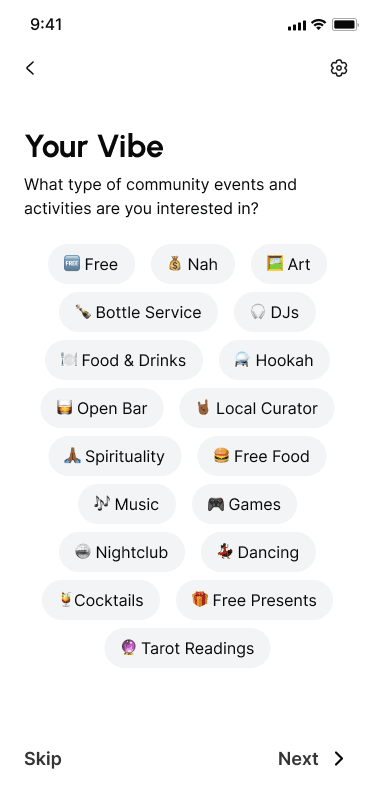
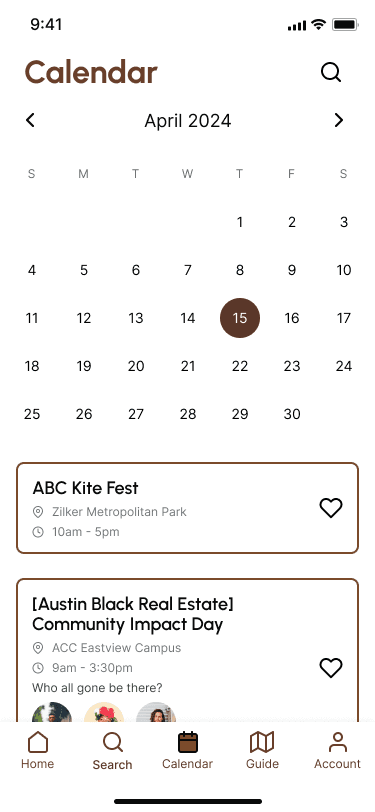
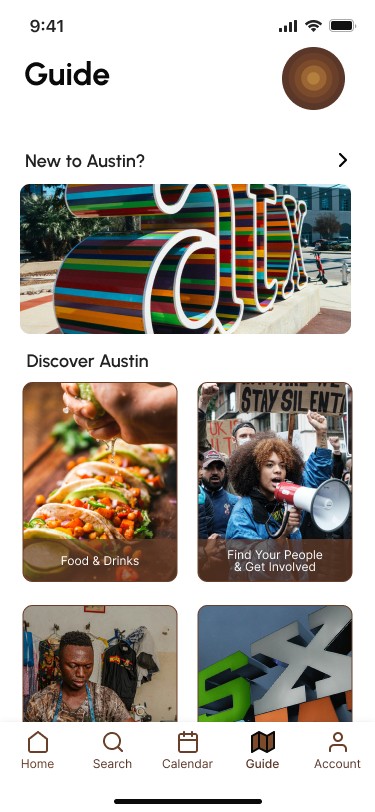
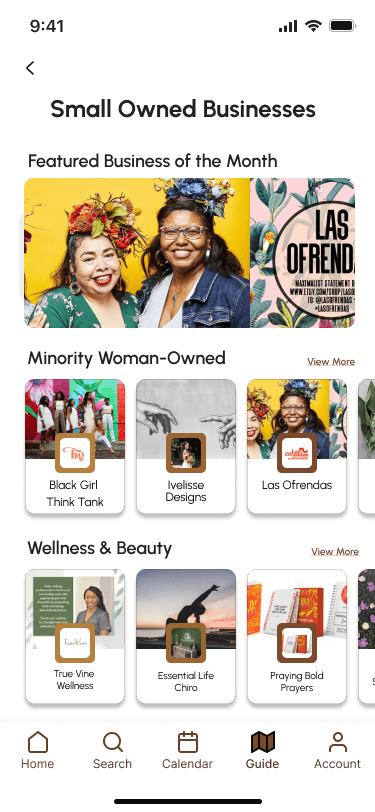
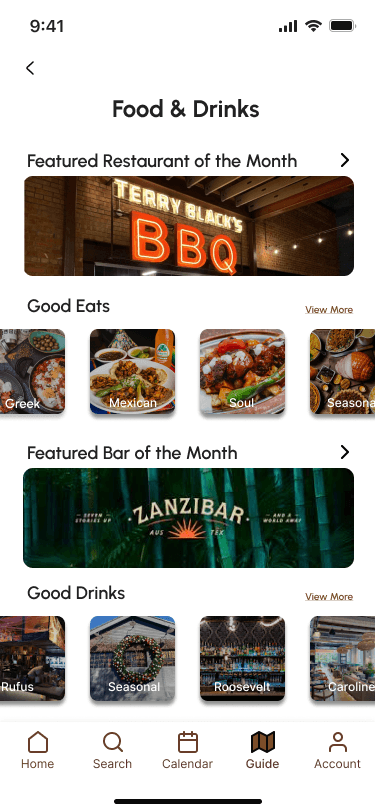
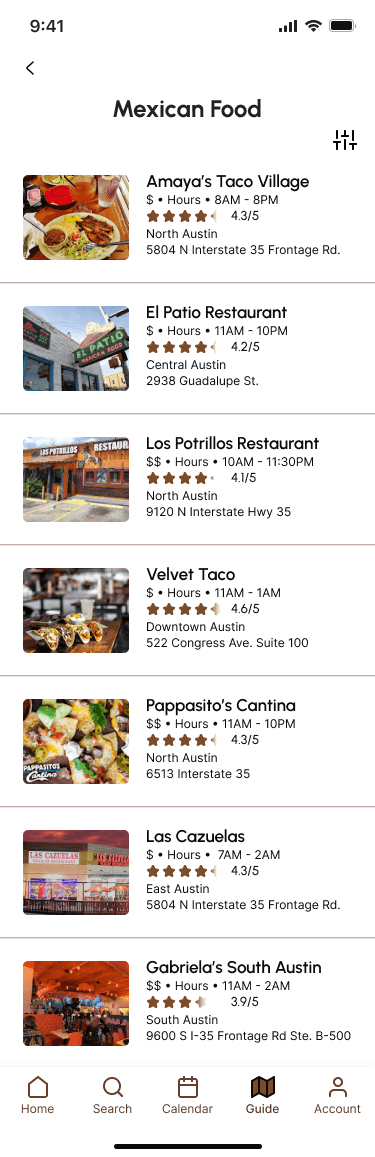
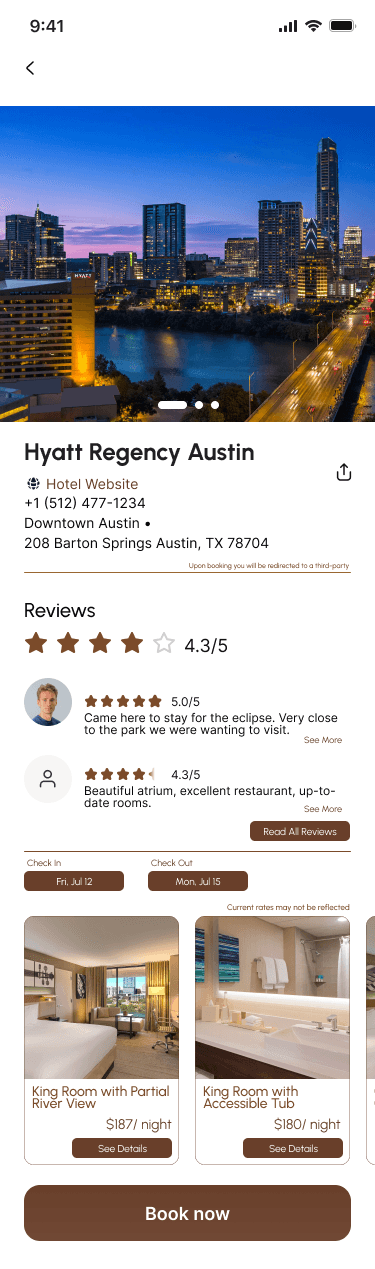
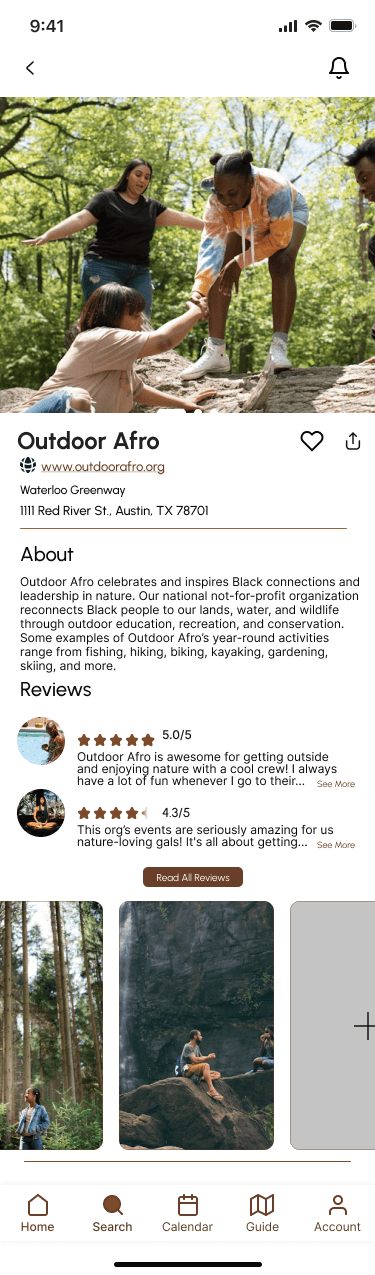
WYA is a platform for Austin's Black community, offering personalized event recommendations, newcomer guides, interactive filters, and community engagement, fostering cultural exchange.

Industry

Industry

Event Coordination
Event
Coordination
Event Coordination

Duration

Duration

3 months
3 months

January 2024 - April 2024

January 2024 -

April 2024

January 2024 - April 2024

My Role

My Role

User Researcher
User
Researcher
User Researcher

Methods Used

Methods Used

User Researcher
User
Researcher
User Researcher

Tools Used

Tools Used

User Researcher
User
Researcher
User Researcher

Additional Team Members

Additional Team

Members

Additional Team Members

1 - User Designer
1 - Digital Collection
Archivist
1 - User Designer
1 - Digital Collection
Archivist
1 -
User
Designer

1 -
Digital
Collection
Archivist
1 - User Designer
1 - Digital Collection
Archivist

Purpose

The objective of our project, Where Yall At ATX (WYA ATX), is to transform the ‘Where Y’all At Though ATX’ Instagram page into a dynamic mobile app. Our mission is to unite and inform the Black community in Austin, TX, about events tailored specifically to their interests. Despite the low Black population in the city and the University of Texas at Austin (4.5% as of Fall 2023), our app aims to create a vibrant and connected community.

This initiative is particularly timely given the recent enactment of Senate Bill 17 (SB 17), which has banned all practices, activities, and events related to Diversity, Equity, and Inclusion (DEI) in Texas. In response to these challenges, we are inspired to design an information architecture (IA) for this app that will serve as a vital resource for the Black community in Austin, fostering connection and engagement in the face of these obstacles.

Results

In the journey of creating the WYA ATX mobile application, we embarked on a path of thorough research and analysis, paving the way for its successful launch. With meticulous attention to detail, we crafted an initial version that resonated positively with our community, praised for its clean interface and intuitive design.

Looking ahead, we would be eager to weave in additional insights gleaned from user feedback, ensuring every interaction with the app is seamless and enriching. Our commitment extends to refining the app's aesthetics, from enhancing the logo design to offering more tailored options like vegetarian filters for events and dining. Embracing the spirit of connection, we're poised to introduce a messaging feature, fostering deeper community engagement and dialogue. As we continue to evolve and grow, our goal remains clear: to cultivate a vibrant digital space that empowers and informs the Black community in Austin, ensuring WYA ATX is not just an app, but a vital part of everyday life.

Process
01

Research & Analysis

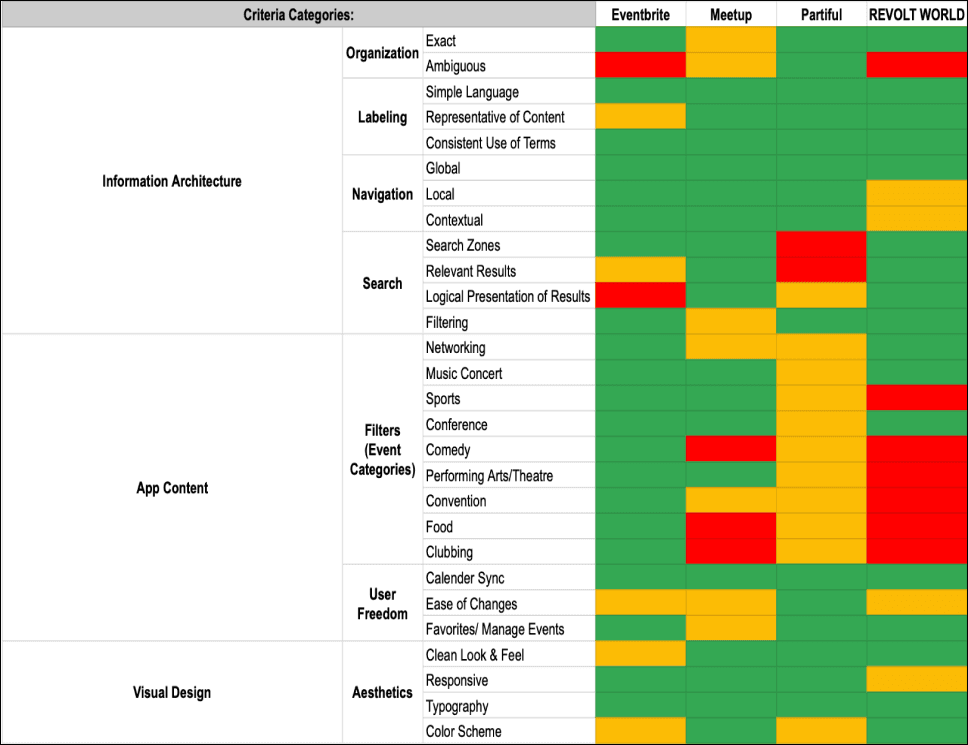
Since WYA ATX was to be built from scratch, I had to carefully choose the best research methods to guide the development process. This journey began with a competitive analysis of event coordination app competitors. By evaluating their strengths and weaknesses, we identified key features and user experiences that would inform the foundation of our app. This initial step ensured that we could create a unique and valuable platform tailored to the needs of Austin's Black community.

02

Information Architecture

We conducted user interviews, surveys, and analyzed in-app analytics to understand the pain points and user needs. We also studied competitor apps and industry trends to gather insights

03

Wireframing & Prototyping

We conducted user interviews, surveys, and analyzed in-app analytics to understand the pain points and user needs. We also studied competitor apps and industry trends to gather insights

04

Usability Testing

We conducted user interviews, surveys, and analyzed in-app analytics to understand the pain points and user needs. We also studied competitor apps and industry trends to gather insights

05

Evaluation & Improvements

We conducted user interviews, surveys, and analyzed in-app analytics to understand the pain points and user needs. We also studied competitor apps and industry trends to gather insights

01

Research & Analysis

Since WYA ATX was to be built from scratch, I had to carefully choose the best research methods to guide the development process. This journey began with a competitive analysis of event coordination app competitors. By evaluating their strengths and weaknesses, we identified key features and user experiences that would inform the foundation of our app. This initial step ensured that we could create a unique and valuable platform tailored to the needs of Austin's Black community.

02

Information Architecture

We conducted user interviews, surveys, and analyzed in-app analytics to understand the pain points and user needs. We also studied competitor apps and industry trends to gather insights

03

Wireframing & Prototyping

We conducted user interviews, surveys, and analyzed in-app analytics to understand the pain points and user needs. We also studied competitor apps and industry trends to gather insights

04

Usability Testing

We conducted user interviews, surveys, and analyzed in-app analytics to understand the pain points and user needs. We also studied competitor apps and industry trends to gather insights

05

Evaluation & Improvements

We conducted user interviews, surveys, and analyzed in-app analytics to understand the pain points and user needs. We also studied competitor apps and industry trends to gather insights

Takeaways


  • Initial Research Foundation: A comprehensive competitive analysis of event coordination apps laid the groundwork for our project.

  • Diverse Research Methods: Utilizing content inventory, card sorting, site mapping, flow modeling, and persona creation provided a robust understanding of user needs.

  • Design Process: Information from the research enabled the creation of detailed wireframes, leading to a functional prototype.

  • Usability Testing: In future tests, considering a more controlled age range will help mitigate outliers in results and provide more focused insights.

  • Heuristic Evaluation: Identified additional areas for improvement and prioritized issues to enhance the app’s usability and functionality.

  • Stakeholder Discussions: Regularly discussing results and planned improvements with stakeholders ensures alignment and support for the project’s direction.

  • Future Enhancements: While improvements are planned based on feedback and evaluation, their implementation will further refine the app, making it a more user-friendly and effective platform for the Black community in Austin.


Takeaways


  • Initial Research Foundation: A comprehensive competitive analysis of event coordination apps laid the groundwork for our project.

  • Diverse Research Methods: Utilizing content inventory, card sorting, site mapping, flow modeling, and persona creation provided a robust understanding of user needs.

  • Design Process: Information from the research enabled the creation of detailed wireframes, leading to a functional prototype.

  • Usability Testing: In future tests, considering a more controlled age range will help mitigate outliers in results and provide more focused insights.

  • Heuristic Evaluation: Identified additional areas for improvement and prioritized issues to enhance the app’s usability and functionality.

  • Stakeholder Discussions: Regularly discussing results and planned improvements with stakeholders ensures alignment and support for the project’s direction.

  • Future Enhancements: While improvements are planned based on feedback and evaluation, their implementation will further refine the app, making it a more user-friendly and effective platform for the Black community in Austin.

Takeaways


  • Initial Research Foundation: A comprehensive competitive analysis of event coordination apps laid the groundwork for our project.

  • Diverse Research Methods: Utilizing content inventory, card sorting, site mapping, flow modeling, and persona creation provided a robust understanding of user needs.

  • Design Process: Information from the research enabled the creation of detailed wireframes, leading to a functional prototype.

  • Usability Testing: In future tests, considering a more controlled age range will help mitigate outliers in results and provide more focused insights.

  • Heuristic Evaluation: Identified additional areas for improvement and prioritized issues to enhance the app’s usability and functionality.

  • Stakeholder Discussions: Regularly discussing results and planned improvements with stakeholders ensures alignment and support for the project’s direction.

  • Future Enhancements: While improvements are planned based on feedback and evaluation, their implementation will further refine the app, making it a more user-friendly and effective platform for the Black community in Austin.


Takeaways


  • Initial Research Foundation: A comprehensive competitive analysis of event coordination apps laid the groundwork for our project.

  • Diverse Research Methods: Utilizing content inventory, card sorting, site mapping, flow modeling, and persona creation provided a robust understanding of user needs.

  • Design Process: Information from the research enabled the creation of detailed wireframes, leading to a functional prototype.

  • Usability Testing: In future tests, considering a more controlled age range will help mitigate outliers in results and provide more focused insights.

  • Heuristic Evaluation: Identified additional areas for improvement and prioritized issues to enhance the app’s usability and functionality.

  • Stakeholder Discussions: Regularly discussing results and planned improvements with stakeholders ensures alignment and support for the project’s direction.

  • Future Enhancements: While improvements are planned based on feedback and evaluation, their implementation will further refine the app, making it a more user-friendly and effective platform for the Black community in Austin.

Ashton © 2024. Designed by Ashton

Ashton © 2024. Designed by Ashton

Ashton © 2024. Designed by Ashton

Create a free website with Framer, the website builder loved by startups, designers and agencies.