Menu

WanderWise

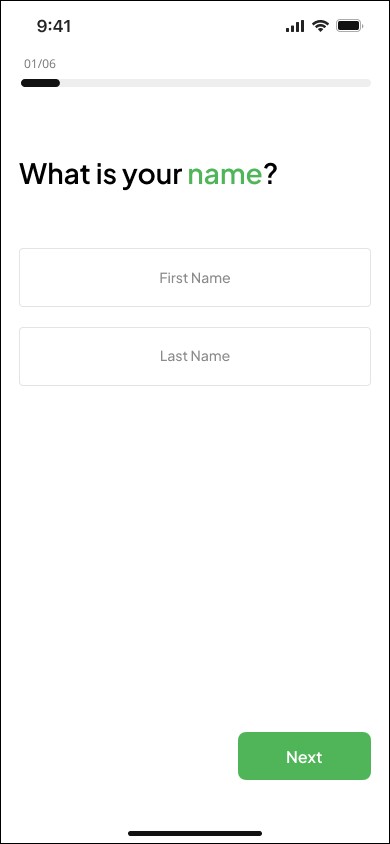
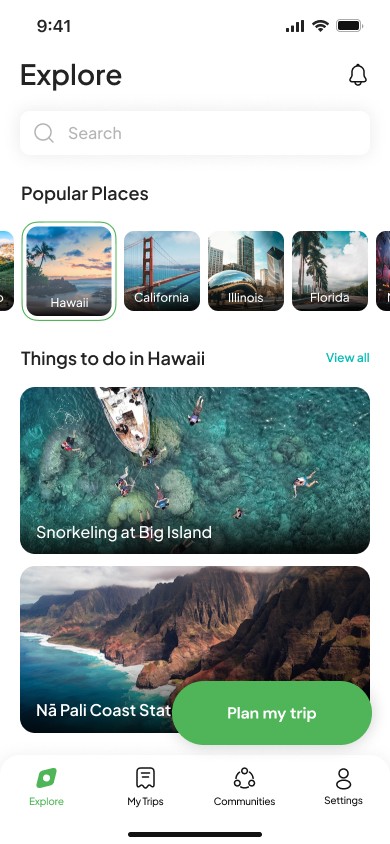
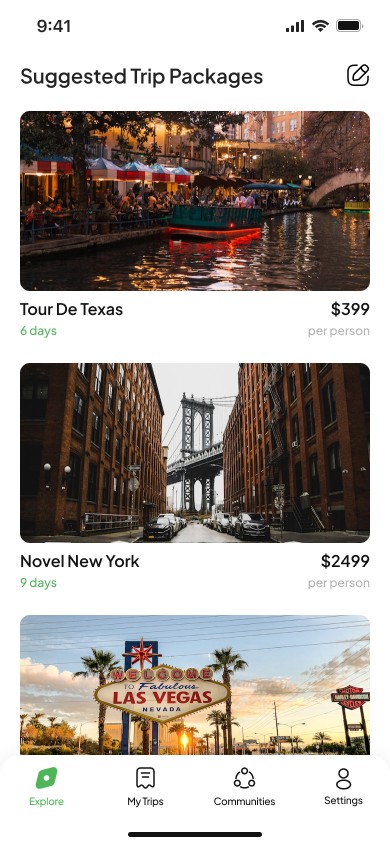
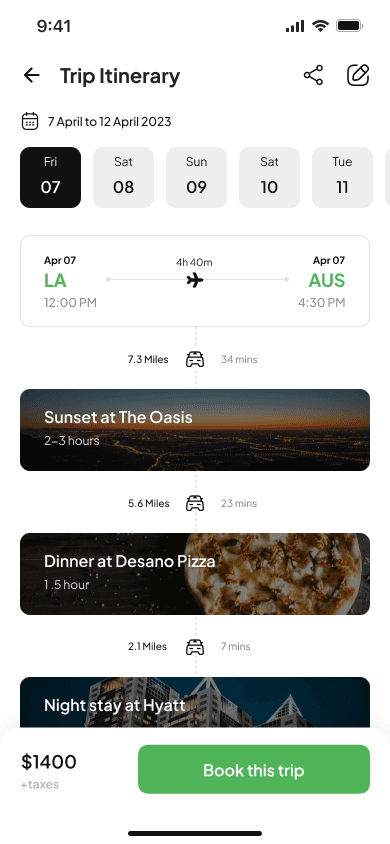
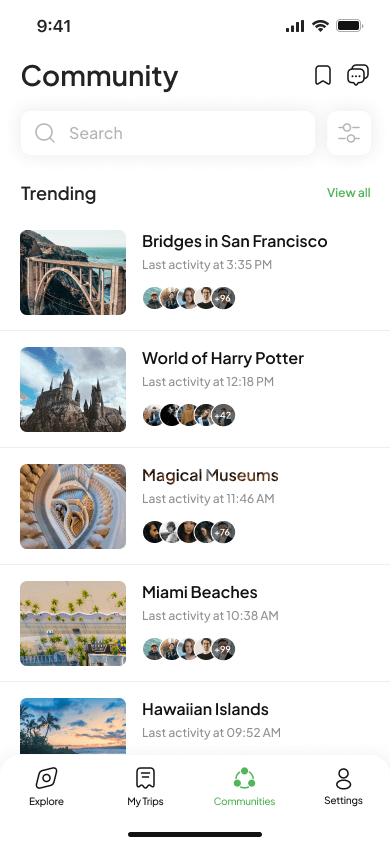
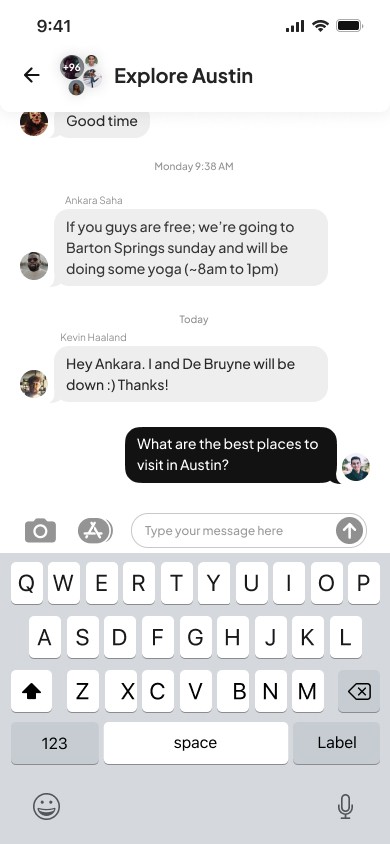
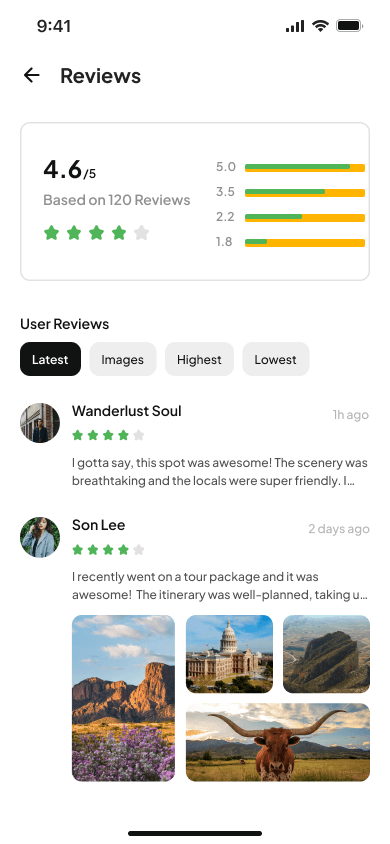
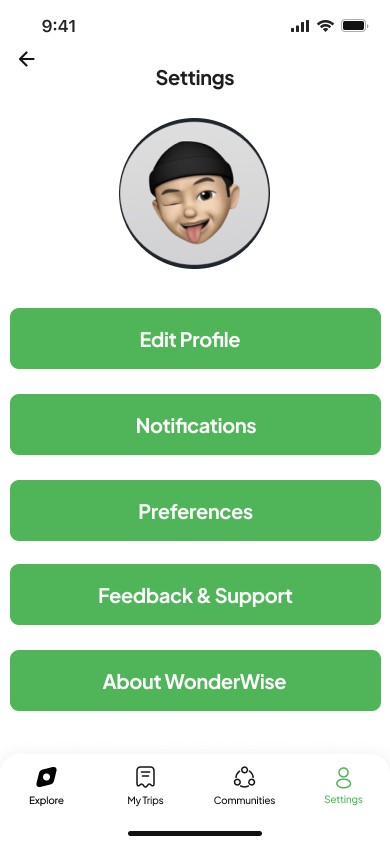
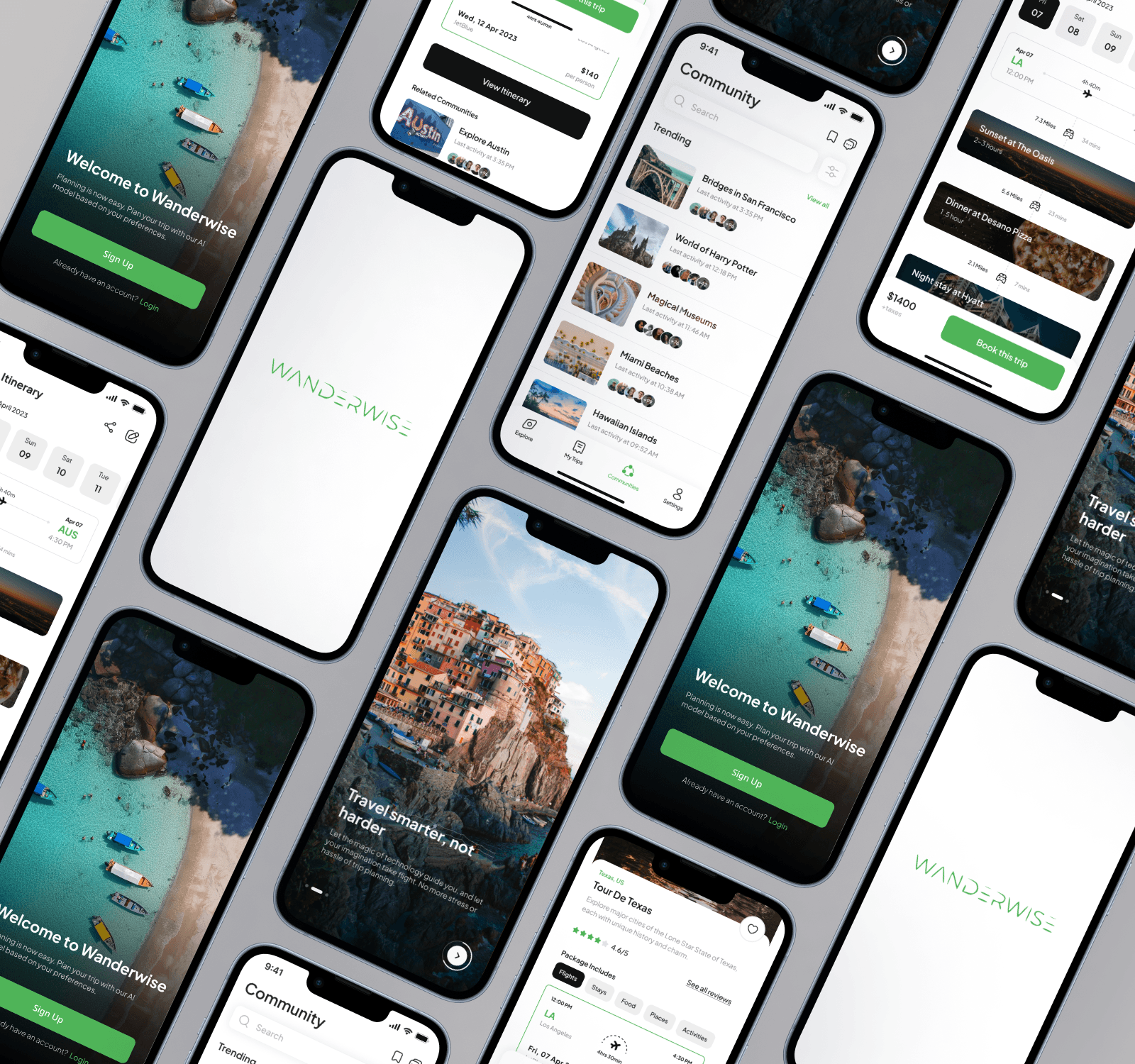
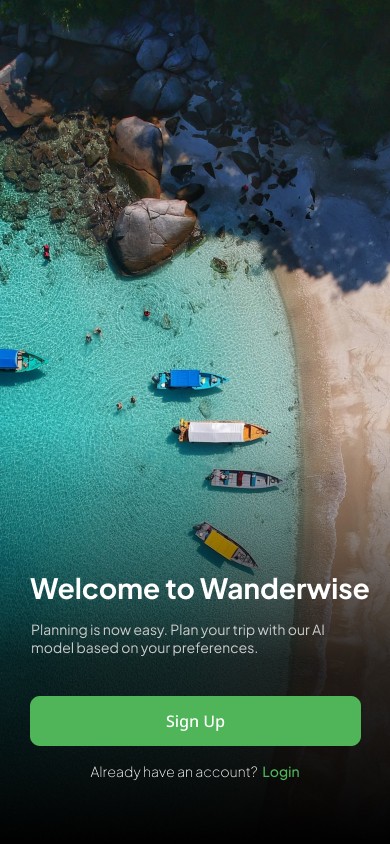
WanderWise is a mobile app that simplifies trip planning by allowing users to effortlessly organize every aspect of their journey, connect with locals and travelers for personalized recommendations, and manage their itineraries for a seamless travel experience.

Industry

Industry

Travel
Travel

Duration

Duration

3 months
3 months

August 2023 - November 2023

August 2023 - November 2023

My Role

My Role

User Researcher &
User Designer
User Researcher & Designer

Additional Team Members

Additional Team Members

3 - User Designers & User Researchers
3 - User Designers & User Researcherss
3 - User Designers & User Researchers

Purpose

The purpose of the WanderWise project was to create a comprehensive travel planning application that addresses the common pain points travelers experience when organizing trips. We aimed to design an intuitive platform that simplifies the entire process—from booking flights and accommodations to discovering activities and dining options—while also fostering a community-driven environment. By integrating AI-driven recommendations and personalized itineraries, WanderWise sought to enhance the user experience, making travel planning more efficient, enjoyable, and tailored to individual preferences.

Results

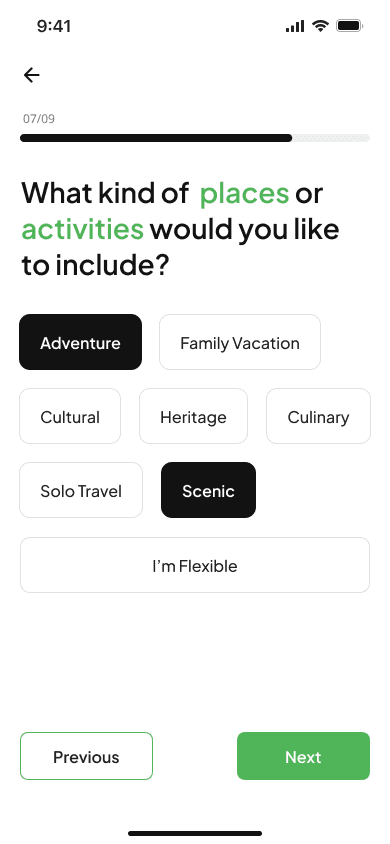
The WanderWise project successfully delivered an all-in-one travel planning app that met the diverse needs of its users. The final prototype featured a streamlined interface where users could easily input preferences and receive customized itineraries, reducing the time and effort typically required for trip planning. User testing validated the app’s usability, with participants appreciating the seamless navigation and the ability to connect with a community for authentic recommendations. WanderWise proved to be an effective solution for simplifying travel planning, offering a personalized and engaging experience that resonated with users.
Process

Process

01

Research & Analysis

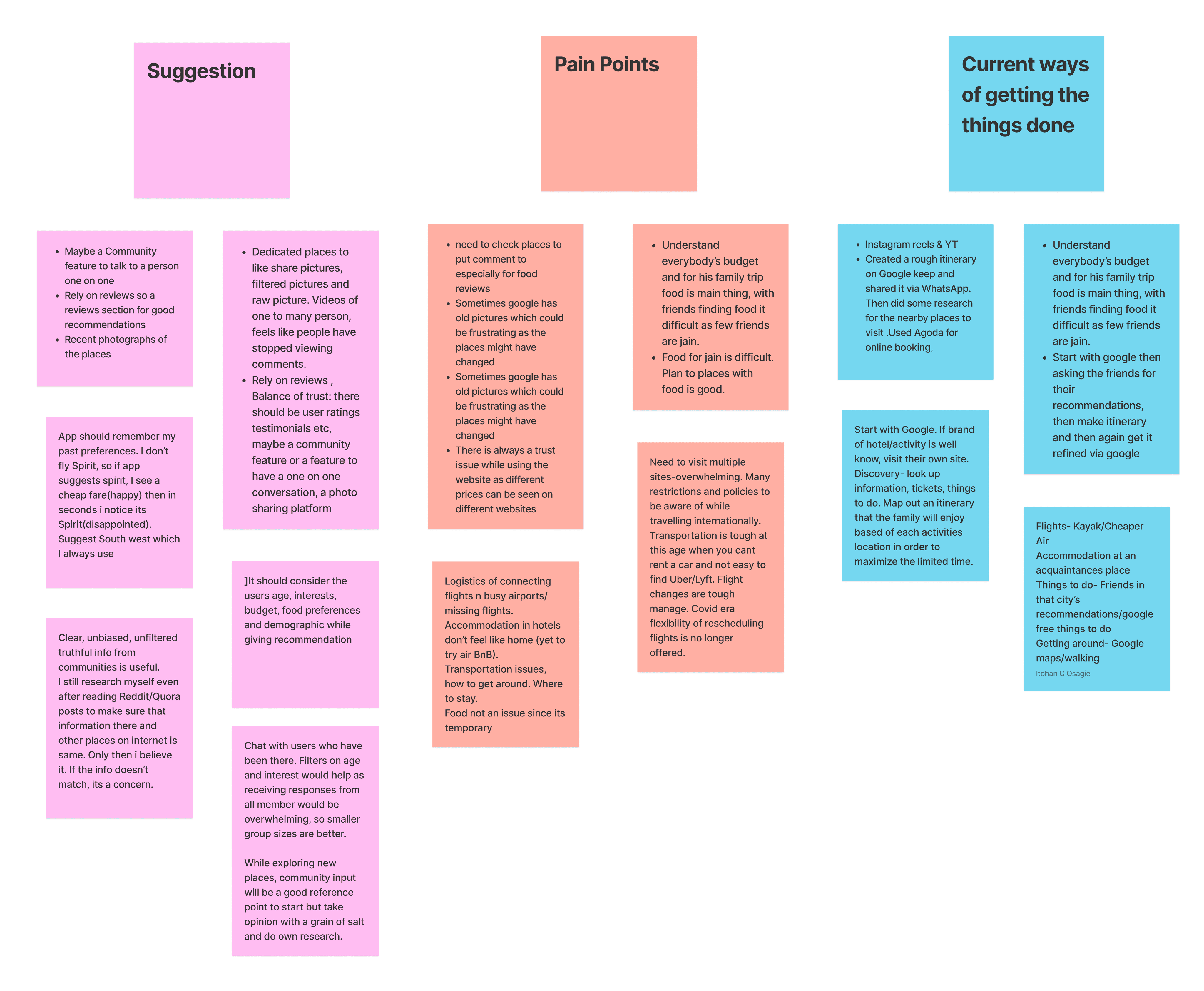
The WanderWise project began with a mission to transform the chaotic experience of trip planning into a seamless journey. We started by diving deep into user research, conducting surveys and interviews to uncover the frustrations travelers face. Users expressed a clear need for a single platform that could personalize their travel experience, eliminating the need to juggle multiple apps and sources. Our analysis highlighted the demand for a trustworthy, community-driven space where travelers could connect with locals and fellow explorers for authentic recommendations. These insights shaped the foundation of WanderWise, driving our design decisions to create an all-in-one travel planning app that simplifies and enriches the user experience.

02

Information Architecture

We conducted user interviews, surveys, and analyzed in-app analytics to understand the pain points and user needs. We also studied competitor apps and industry trends to gather insights

03

Wireframing & Prototyping

We conducted user interviews, surveys, and analyzed in-app analytics to understand the pain points and user needs. We also studied competitor apps and industry trends to gather insights

04

Usability Testing

We conducted user interviews, surveys, and analyzed in-app analytics to understand the pain points and user needs. We also studied competitor apps and industry trends to gather insights

05

Evaluation & Improvements

We conducted user interviews, surveys, and analyzed in-app analytics to understand the pain points and user needs. We also studied competitor apps and industry trends to gather insights

01

Research & Analysis

The WanderWise project began with a mission to transform the chaotic experience of trip planning into a seamless journey. We started by diving deep into user research, conducting surveys and interviews to uncover the frustrations travelers face. Users expressed a clear need for a single platform that could personalize their travel experience, eliminating the need to juggle multiple apps and sources. Our analysis highlighted the demand for a trustworthy, community-driven space where travelers could connect with locals and fellow explorers for authentic recommendations. These insights shaped the foundation of WanderWise, driving our design decisions to create an all-in-one travel planning app that simplifies and enriches the user experience.

02

Information Architecture

We conducted user interviews, surveys, and analyzed in-app analytics to understand the pain points and user needs. We also studied competitor apps and industry trends to gather insights

03

Wireframing & Prototyping

We conducted user interviews, surveys, and analyzed in-app analytics to understand the pain points and user needs. We also studied competitor apps and industry trends to gather insights

04

Usability Testing

We conducted user interviews, surveys, and analyzed in-app analytics to understand the pain points and user needs. We also studied competitor apps and industry trends to gather insights

05

Evaluation & Improvements

We conducted user interviews, surveys, and analyzed in-app analytics to understand the pain points and user needs. We also studied competitor apps and industry trends to gather insights

Takeaways


  • Adaptability and Continuous Learning: My journey with the WanderWise project taught me the importance of adaptability and a growth mindset. Starting with no prior experience in UX design, I immersed myself in learning Figma and UX research methodologies, which enabled me to keep pace with my peers and deliver a well-rounded project.

  • User-Centered Approach: Through the think-aloud usability tests and user interviews, I gained a deeper understanding of how users interact with the application. This experience reinforced the value of gathering user insights early on to guide design decisions and create a product that meets user needs.

  • Commitment to Accessibility and Improvement: After completing the initial project requirements, I refined WanderWise by incorporating more accessibility options, such as larger text sizes and dark mode. This dedication to continuous improvement highlighted the significance of iteration in the UX design process, ensuring that the application evolved to be more inclusive and user-friendly.

Takeaways


  • Adaptability and Continuous Learning: My journey with the WanderWise project taught me the importance of adaptability and a growth mindset. Starting with no prior experience in UX design, I immersed myself in learning Figma and UX research methodologies, which enabled me to keep pace with my peers and deliver a well-rounded project.

  • User-Centered Approach: Through the think-aloud usability tests and user interviews, I gained a deeper understanding of how users interact with the application. This experience reinforced the value of gathering user insights early on to guide design decisions and create a product that meets user needs.

  • Commitment to Accessibility and Improvement: After completing the initial project requirements, I refined WanderWise by incorporating more accessibility options, such as larger text sizes and dark mode. This dedication to continuous improvement highlighted the significance of iteration in the UX design process, ensuring that the application evolved to be more inclusive and user-friendly.

Takeaways


  • Adaptability and Continuous Learning: My journey with the WanderWise project taught me the importance of adaptability and a growth mindset. Starting with no prior experience in UX design, I immersed myself in learning Figma and UX research methodologies, which enabled me to keep pace with my peers and deliver a well-rounded project.

  • User-Centered Approach: Through the think-aloud usability tests and user interviews, I gained a deeper understanding of how users interact with the application. This experience reinforced the value of gathering user insights early on to guide design decisions and create a product that meets user needs.

  • Commitment to Accessibility and Improvement: After completing the initial project requirements, I refined WanderWise by incorporating more accessibility options, such as larger text sizes and dark mode. This dedication to continuous improvement highlighted the significance of iteration in the UX design process, ensuring that the application evolved to be more inclusive and user-friendly.

Takeaways


  • Adaptability and Continuous Learning: My journey with the WanderWise project taught me the importance of adaptability and a growth mindset. Starting with no prior experience in UX design, I immersed myself in learning Figma and UX research methodologies, which enabled me to keep pace with my peers and deliver a well-rounded project.

  • User-Centered Approach: Through the think-aloud usability tests and user interviews, I gained a deeper understanding of how users interact with the application. This experience reinforced the value of gathering user insights early on to guide design decisions and create a product that meets user needs.

  • Commitment to Accessibility and Improvement: After completing the initial project requirements, I refined WanderWise by incorporating more accessibility options, such as larger text sizes and dark mode. This dedication to continuous improvement highlighted the significance of iteration in the UX design process, ensuring that the application evolved to be more inclusive and user-friendly.

Ashton © 2024. Designed by Ashton

Ashton © 2024. Designed by Ashton

Ashton © 2024. Designed by Ashton

Create a free website with Framer, the website builder loved by startups, designers and agencies.